12 Jyotirlingas In India To Visit In 2025: See The Spiritual Side Of The Country
Posted On : 28 October 2025
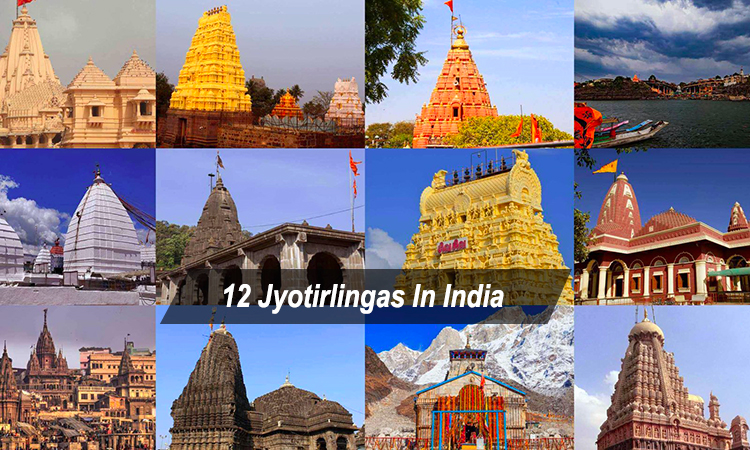
India is a land of deep spirituality, where ancient traditions meet divine energy. Among the many sacred places, the 12 Jyotirlingas hold a special place in Hinduism. These holy shrines are dedicated to Lord Shiva - the supreme deity who symbolizes creation, destruction, and transformation. Every Jyotirlinga represents a manifestation of Shiva’s infinite power and light (“Jyoti” means light and “Linga” means symbol of Shiva).
If you’re planning a spiritual journey in 2025, visiting the 12 Jyotirlingas can be a deeply transformative experience. Each temple has its own story, significance, and unique aura that draws millions of devotees every year.
Let’s take you through the 12 Jyotirlingas of India, their locations, legends, and travel tips - so you can plan your next pilgrimage with devotion and ease.
1. Somnath Jyotirlinga - Gujarat
Location: Prabhas Patan, near Veraval in Saurashtra, Gujarat
Best Time to Visit: October to March
About: The Somnath Jyotirlinga is the first among the 12 Jyotirlingas and is known as “The Protector of the Moon.” Legend says that Lord Shiva restored the moon’s light here after it was cursed by Daksha. The temple has been destroyed and rebuilt several times, symbolizing faith’s victory over destruction.
Highlights:
- Stunning sea-facing temple architecture
- Light and sound show in the evening
- Triveni Sangam (meeting point of three rivers) nearby
2. Mallikarjuna Jyotirlinga - Andhra Pradesh
Location: Srisailam, Andhra Pradesh
Best Time to Visit: October to February
About: Located on the banks of River Krishna, Mallikarjuna Temple is nestled amid scenic hills. This Jyotirlinga is dedicated to Lord Shiva (Mallikarjuna) and Goddess Parvati (Bhramaramba), making it one of the few places where both deities are worshipped together.
Highlights:
- A blend of devotion and nature - perfect for peace seekers
- Ropeway rides offering panoramic hill views
- Sacred Patala Ganga Lake nearby
3. Mahakaleshwar Jyotirlinga - Madhya Pradesh
Location: Ujjain, Madhya Pradesh
Best Time to Visit: October to March
About: The Mahakaleshwar Temple in Ujjain is one of the most powerful Jyotirlingas, where Lord Shiva is believed to rule over time itself (Mahakal). The temple is famous for its Bhasma Aarti, where the deity is worshipped with sacred ash in the early morning hours.
Highlights:
- Witness the unique Bhasma Aarti
- Located on the banks of the holy Shipra River
- Visit nearby attractions like Kal Bhairav Temple and Ram Ghat
4. Omkareshwar Jyotirlinga - Madhya Pradesh
Location: Mandhata Island, Khandwa District, Madhya Pradesh
Best Time to Visit: October to March
About: Shaped like the sacred “Om” symbol, Omkareshwar Island itself is divine. The temple’s name means “Lord of the Om sound,” representing the essence of creation. It’s one of the most picturesque pilgrimage spots in India.
Highlights:
- Sacred Narmada River flows around the island
- Visit both Omkareshwar and Amareshwar temples
- Ideal for a spiritual retreat amidst natural beauty
5. Kedarnath Jyotirlinga - Uttarakhand
Location: Rudraprayag District, Uttarakhand
Best Time to Visit: May to October (closed during winter due to snow)
About: One of the Chota Char Dham shrines, Kedarnath Temple sits majestically amid the Himalayas at 11,755 ft. It’s believed that the Pandavas built this temple to seek forgiveness from Lord Shiva after the Kurukshetra war. The aura here is beyond words - pure, powerful, and peaceful.
Highlights:
- Mesmerizing snow-clad Himalayan backdrop
- Trek from Gaurikund to Kedarnath
- Helicopter services available for senior citizens
6. Bhimashankar Jyotirlinga - Maharashtra
Location: Pune District, Maharashtra
Best Time to Visit: October to March
About: The Bhimashankar Temple is surrounded by dense forests and wildlife, forming the Bhimashankar Wildlife Sanctuary. Legend says Lord Shiva appeared here to defeat the demon Tripurasura, marking it as a place of divine victory.
Highlights:
- Perfect combination of spirituality and natural beauty
- Ideal for trekking and nature walks
- Scenic drive from Pune or Mumbai
7. Kashi Vishwanath Jyotirlinga - Uttar Pradesh
Location: Varanasi, Uttar Pradesh
Best Time to Visit: October to March
About: Kashi Vishwanath Temple in Varanasi is perhaps the most revered of all Jyotirlingas. Known as The City of Light, Varanasi is where life, death, and eternity converge. It’s said that Lord Shiva whispers the Taraka Mantra into the ears of the dying here, granting them liberation (moksha).
Highlights:
- Witness the grand Ganga Aarti at Dashashwamedh Ghat
- Explore Kashi Corridor (recently renovated temple complex)
- Take a spiritual boat ride on the Ganga River
8. Trimbakeshwar Jyotirlinga – Maharashtra
Location: Nashik, Maharashtra
Best Time to Visit: November to February
About: Located near the origin of the Godavari River, Trimbakeshwar Temple represents the Trinity — Brahma, Vishnu, and Shiva. The temple’s Shivalinga has three faces, a unique feature that attracts both devotees and spiritual seekers.
Highlights:
- Sacred Kushavarta Kund for holy dips
- Ancient black stone temple architecture
- Close to Nashik vineyards and Panchavati
9. Vaidyanath Jyotirlinga - Jharkhand
Location: Deoghar, Jharkhand
Best Time to Visit: July to March
About: Also known as Baidyanath Dham, this Jyotirlinga is associated with the story of Ravana. It’s believed that Lord Shiva appeared here as a divine healer (Vaidya) to cure Ravana’s wounds. Devotees believe that worshipping here brings relief from illness and suffering.
Highlights:
- Famous for Shravan Mela (July-August)
- Visit Basukinath Temple nearby
- Known for strong spiritual vibrations and healing energy
10. Nageshwar Jyotirlinga - Gujarat
Location: Near Dwarka, Gujarat
Best Time to Visit: October to February
About: Located on the route between Dwarka and Beyt Dwarka, Nageshwar Temple represents protection from all forms of evil and poison. According to legend, Lord Shiva appeared here to save his devotee Supriya from a demon.
Highlights:
- Massive 25-meter-tall Shiva statue
- Peaceful coastal surroundings
- Easily accessible from Dwarka city
11. Rameshwaram Jyotirlinga - Tamil Nadu
Location: Rameswaram Island, Tamil Nadu
Best Time to Visit: October to April
About: Rameshwaram is where Lord Rama is believed to have worshipped Shiva before crossing the sea to Lanka. The temple’s corridors are the longest in Asia, and the island is surrounded by tranquil blue seas — making it both spiritually and visually divine.
Highlights:
- Holy bath at 22 theerthams (wells) inside the temple
- Visit Dhanushkodi - the “Ghost Town”
- Connected to the mainland via Pamban Bridge
12. Grishneshwar Jyotirlinga – Maharashtra
Location: Ellora, near Aurangabad, Maharashtra
Best Time to Visit: October to March
About: The Grishneshwar Temple, near the famous Ellora Caves, is the last of the 12 Jyotirlingas. Built in traditional South Indian style, it stands as a symbol of eternal love - the legend tells of a woman named Kusuma whose devotion brought Lord Shiva to earth.
Highlights:
- Located close to the UNESCO-listed Ellora Caves
- Beautiful red stone architecture
- Less crowded, offering peaceful worship
Spiritual Significance of Visiting 12 Jyotirlingas
The 12 Jyotirlingas are not just temples; they are energy centers radiating spiritual light. Visiting them is said to purify one’s soul, erase sins, and bring blessings of health, prosperity, and enlightenment. Many devotees undertake the Dwadasa Jyotirlinga Yatra to experience the unity of Shiva’s presence across India.
Tips for Planning Your Jyotirlinga Tour in 2025
Plan region wise: Cover western (Somnath, Nageshwar, Trimbakeshwar, Bhimashankar, Grishneshwar), central (Mahakaleshwar, Omkareshwar), northern (Kedarnath, Kashi Vishwanath), southern (Rameshwaram, Mallikarjuna), and eastern (Vaidyanath).
Book early: Especially for Kedarnath and Rameshwaram during peak seasons.
Stay connected: Senior citizens can opt for guided group tours (like Golden Agers Senior Citizen Group Tours) for safety and comfort.
Dress modestly and respect temple customs.
Carry essentials: ID proof, medicines, and comfortable footwear.
Conclusion
The 12 Jyotirlingas of India form a divine circuit that connects faith, culture, and the spiritual essence of India. From the snow-covered peaks of Kedarnath to the coastal serenity of Rameshwaram, each Jyotirlinga offers a unique path toward self-realization and devotion.
As you plan your Jyotirlinga Yatra in 2025, remember - it’s not just about visiting temples; it’s about connecting with the divine energy within yourself. May Lord Shiva bless you with strength, wisdom, and peace on this sacred journey.
FAQs
What is the meaning of Jyotirlinga?
A Jyotirlinga represents the infinite light (Jyoti) of Lord Shiva in a symbolic form (Linga), worshipped as a powerful embodiment of divine energy.
How many Jyotirlingas are there in India?
There are 12 main Jyotirlingas spread across India - each with unique legends and spiritual importance.
Which is the most demanding Jyotirlinga tour?
All Jyotirlingas are equal, but Kashi Vishwanath, Somnath, and Kedarnath are among the most visited and revered.
Can all 12 Jyotirlingas be visited in one trip?
Yes, several travel agencies offer Jyotirlinga Yatra packages that cover all 12 temples region-wise for devotees who wish to complete the pilgrimage.
What is the best time to visit the Jyotirlingas?
October to March is ideal for most temples, though Kedarnath remains open only from May to October due to snowfall.
Recent Blog
12 Jyotirlingas In India To Visit In 2025: See The Spiritual Side Of The Country
School Students Group Tours: Making Learning Fun with IndiaFly
Discover the Joy of Travelling Together: Family Group Tours by IndiaFly
Dealers Group Tours: Rewarding Business Partners with Memorable Experiences
Corporate Group Tours: Making Business Travel Better with IndiaFly
Exploring India Together: The Rise of Domestic Group Tours
Senior Citizen Group Tours: Travel Made Easy with IndiaFly
Your Complete Guide to International Group Tours with Indiafly